
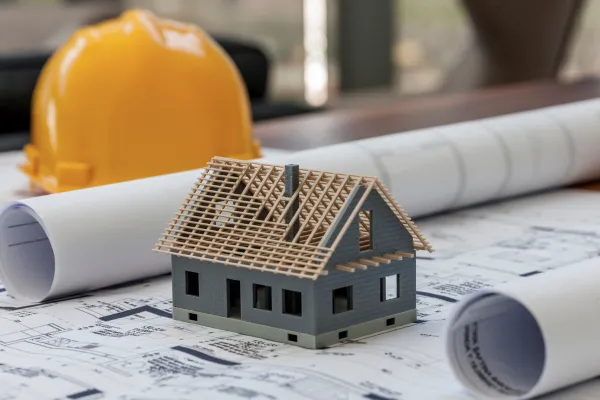
The Complete Guide to Buying New Construction in Michigan: Everything You Need to Know in 2026
"Should I buy new construction or an existing home?"
If you've been house hunting in Michigan's 2026 market, this question has probably crossed your mind more than once. With builder incentives at historic highs, aging-in-place features becoming standard, and the appeal of that brand-new-home smell, new construction is having a moment.
But buying a newly built home isn't as simple as picking out finishes and moving in. From understanding builder contracts to deciding whether you need your own realtor, navigating warranties to knowing which upgrades actually add value, there's a lot more to the process than most people realize.
This isn't about pushing you toward new construction. It's about giving you the complete picture so you can make an informed decision based on YOUR situation and YOUR priorities.
Whether you're a first-time buyer attracted to modern amenities, empty nesters seeking single-level living, or a growing family looking for move-in-ready convenience, this guide covers everything you need to know about buying new construction in Michigan's 2026 market.
What's Happening in Michigan's New Construction Market in 2026
Let's start with where things actually stand in Michigan, because what you hear nationally doesn't always match what's happening in our local market.
According to the National Association of Home Builders, single-family construction in the Midwest was actually up in 2025, even as it declined nationally. Markets like the Southern Michigan Corridor are seeing continued strength, bucking broader trends. Michigan issued 18,200 residential building permits in Q1 2026, representing a 7% increase from the previous year.
What this means for buyers:
New construction activity is expanding across Michigan, particularly in growth areas around Jackson, Ann Arbor, Grand Rapids, and the Detroit suburbs. This increased activity is creating more inventory and, importantly, more builder competition for your business.
Builder incentives are at historic highs. According to industry experts, elevated incentives are very good news for buyers. Builders are offering rate buydowns, closing cost assistance, free upgrades, and flexibility that simply wasn't available a few years ago.
The Federal Reserve's easing of short-term interest rates late in 2025 has directly reduced builders' financing costs, making construction more economically viable. About two-thirds of home construction is done by smaller, private builders who rely on bank loans to purchase land, materials, and pay workers. When the Fed lowers rates, it directly impacts construction and development loans.
The inventory reality: Michigan's housing inventory remains below pre-pandemic levels across most markets. Building permit data shows that current construction activity will require 18 to 24 months to meaningfully impact overall inventory levels, meaning supply constraints will persist throughout 2026.
What makes Michigan different:
Geographic trends show pockets of significant strength in the Midwest. Markets like Columbus, Ohio, Indianapolis, and Kansas City remain more affordable and well-positioned for growth. Michigan shares these advantages, with new construction happening in lower-cost areas compared to coastal markets.
The state's diverse economic drivers including healthcare, technology, education, and advanced manufacturing provide employment stability that translates to sustained housing demand. Michigan benefits from migration patterns as buyers from higher-cost markets and out-of-state relocators seek affordability and quality of life.
Sources: National Association of Home Builders 2026 forecasts, U.S. Census Bureau building permit data, Michigan Association of Realtors market analysis, Michigan Real Estate Market Reports
The Real Benefits of New Construction in 2026
When you're comparing new construction to resale homes, here are the actual advantages that matter:
Everything Is Brand New
This might seem obvious, but it's worth stating. New construction means new appliances, new HVAC systems, new roof, new windows, new everything. You're not inheriting anyone else's deferred maintenance or surprise repair issues.
In the first few years of ownership, your maintenance costs will be significantly lower than with an existing home. No immediate roof replacement. No aging furnace that might fail. No mystery plumbing issues. Everything comes with manufacturer warranties, and the home itself comes with a builder warranty.
Modern Energy Efficiency
Newly built homes in 2026 comply with the latest building codes and energy standards. This translates to real money saved on monthly utility bills.
Today's new homes feature:
High-efficiency HVAC systems
Energy Star rated appliances
Better insulation and air sealing
Modern windows with proper ratings
LED lighting throughout
Smart home technology for energy management
According to industry data, new homes typically cost 20 to 30% less to heat and cool than older homes, even those that have been renovated.
Customization and Personalization
One of the biggest advantages of new construction is the ability to make choices that reflect your lifestyle and preferences. Depending on when you enter the process, you can select:
Floor plan layout
Exterior finishes and colors
Interior finishes and materials
Kitchen cabinet styles and colors
Countertop materials
Flooring throughout
Bathroom fixtures and tile
Lighting packages
Smart home features
And much more
The earlier you get involved in the process, the more customization opportunities you'll have. Buying a spec home that's already under construction limits your choices but still allows some personalization, while building from the ground up gives you maximum control.
Modern Floor Plans and Design
Today's new construction homes reflect how people actually live in 2026, not how they lived in 1975. Builders are incorporating open concept layouts, main floor primary suites, mudrooms with built-in storage, home office spaces, and outdoor living connections that older homes simply don't have without major renovation.
The emphasis is on functionality and flow. Spaces are designed to be flexible and adaptable. Storage is thoughtfully integrated rather than added as an afterthought. Natural light is prioritized in planning.
Builder Warranties Provide Peace of Mind
New construction comes with warranty coverage that protects your investment. While warranty terms vary by builder, most follow the industry-standard 1-2-10 format:
1 year: Workmanship and materials coverage for most components (siding, stucco, doors, trim, drywall, paint)
2 years: Major systems coverage (HVAC, plumbing, electrical)
10 years: Structural defects coverage (foundation, load-bearing walls, roof framing)
Many reputable builders purchase warranties from third-party administrators, which provides additional protection and ensures claims are handled fairly by an independent party rather than just the builder.
Understanding what's covered and what's not is crucial. Builder warranties typically don't cover:
Appliances (covered by manufacturer warranties)
Landscaping, fencing, or retaining walls
Outbuildings or structures like decks or sheds
Normal wear and tear
Damage from improper maintenance
Issues caused by homeowner modifications
Sources: National Association of Home Builders, Consumer Financial Protection Bureau warranty guidelines
The Rise of the "Visitable" Ranch: Single Story Living Is Having a Moment
If you're shopping for new construction in Michigan in 2026, you've probably noticed that ranch homes are everywhere. There's a reason for that.
The demand for single story homes is at its highest level in decades.
According to the National Association of Home Builders, 80% of baby boomers and 53% of Gen Xers said they would prefer living in a single story residence. In Michigan markets, ranch style homes are currently selling at an average 10% price premium compared to their two-story counterparts.
But it's not just older buyers driving this trend. Young families appreciate not having to worry about toddlers and stairs. Remote workers value the ease of movement throughout the home. And increasingly, buyers of all ages are thinking long-term about aging in place.
Why Ranch Homes Work for Everyone
Single story living eliminates the physical demands of navigating stairs multiple times per day. This matters whether you're 35, 55, or 75. The open, accessible layouts work for mobility needs, but they're also just easier for daily life.
The typical ranch home offers:
Main floor living with everything on one level
Open floor plans that integrate living spaces
Easier maintenance and cleaning
Better flow between indoor and outdoor spaces
Flexibility for universal design features
Strong resale value due to broad appeal
Michigan builders are responding to demand by offering more ranch options across all price points, from starter homes in the $200,000s to luxury ranches exceeding $700,000.
Where to Find Ranch Homes in Michigan
Strong markets for single story new construction include:
Byron Center and surrounding Grand Rapids areas
West Bloomfield and Oakland County communities
Jackson and Southern Michigan Corridor
Ann Arbor and Washtenaw County
Commerce Township and Livingston County
Michigan builders are responding to demand by offering more ranch options across all price points, from starter homes in the $200,000s to luxury ranches exceeding $700,000. Several of the state's largest home builders have specifically released new ranch floor plans to meet high demand for single story homes. The trend is clear: if you want a ranch, builders want to sell you one.
Sources: National Association of Home Builders surveys, Michigan new construction market data, Certified Title Corporation market analysis
Designing for Aging in Place: Features That Make Life Easier for Everyone
Here's something interesting: many of the features marketed as "aging in place" design actually make homes better for everyone, regardless of age.
According to Houzz research, 66% of homeowners address special needs during bathroom remodels, incorporating features like curbless showers and grab bars. The National Kitchen and Bath Association reports that aging-in-place design features such as wider entryways, curbless showers, and grab bars are becoming mainstream in 2026, seamlessly incorporated into sleek layouts.
The Most Valuable Aging-in-Place Features
When building or buying new construction, these features provide both immediate usability and long-term value:
Single-Level Living Obviously, a ranch home is the ultimate aging-in-place design. But even in two-story homes, having the primary bedroom suite on the main floor is increasingly standard.
Zero-Step or Low-Threshold Showers Walk-in showers with minimal or no threshold provide easier access than tub/shower combinations. They can be built flush to the bathroom floor to prevent tripping and accommodate mobility aids if ever needed.
Reinforced Bathroom Walls Even if you don't install grab bars immediately, having bathroom walls reinforced during construction allows for easy installation later without tearing into drywall to find studs.
Wider Doorways and Hallways The standard doorway in older homes is 30 inches. New construction often features 36-inch doorways, which accommodate wheelchairs and walkers but also just make moving furniture and navigating daily life easier.
Lever-Style Door Handles Lever handles are easier to use than traditional doorknobs, especially when your hands are full or you have arthritis. They're also modern and attractive.
Main-Floor Laundry Not having to carry laundry up and down stairs is beneficial at any age. First-floor laundry rooms are now standard in most new construction.
Raised Dishwashers Elevating the dishwasher 6 to 12 inches reduces the need for bending and stooping. This small change makes a big difference in daily comfort.
Minimal Step Transitions Reducing or eliminating steps between indoor and outdoor spaces, between rooms, and at entry points makes homes safer and more accessible. This is particularly valuable for the connection between main living areas and outdoor patios or decks.
Open Floor Plans Open concept layouts provide easier navigation and better sightlines throughout the home. They eliminate narrow, awkward passages and create flowing spaces.
Good Lighting Natural light from larger windows, combined with layered interior lighting including motion-activated options, improves safety and visibility.
Smart Home Technology Voice-controlled lighting, thermostats, door locks, and security systems provide convenience now and accessibility features if mobility becomes limited later.
The Investment Value
These features don't significantly increase construction costs, but they dramatically increase the home's appeal to a broader range of buyers when it's time to sell. As America's population continues aging (by 2030, one in six people worldwide will be aged 60 or over), homes with these features will command premium prices.
Sources: Houzz 2025 U.S. Bathroom Trends Study, National Kitchen and Bath Association Annual Bath Trends Report, Universal Design Solutions Foundation, 3 Birds Accessibility aging-in-place guidelines
Before You Sign Anything: Why You Need Your Own Realtor for New Construction
Here's one of the biggest misconceptions about buying new construction: that you don't need your own realtor because the builder has one.
Let's be clear about something important. The builder's sales representative works for the builder, not for you. Their job is to sell homes at the highest possible price with the most profitable upgrades. They're not a neutral party, and they're not representing your interests.
Here's what typically happens if you don't bring your own agent:
In many cases, you don't save money. Builders often factor commission into their pricing structure. When you don't bring an agent, the builder may simply retain that amount rather than passing savings to you.
You have no one specifically protecting your interests. The builder's agent is legally and ethically bound to represent the builder's best interests, not yours. When there's a conflict between what's best for you and what's best for the builder, they must prioritize the builder.
You may miss opportunities for negotiation. An experienced buyer's agent often knows which builders are flexible on what terms, what incentives may be available beyond what's advertised, and how to structure deals that can maximize value.
What Your Own Agent Actually Does in New Construction
Market Knowledge and Builder Expertise A good realtor has relationships with multiple builders in your target area. They know each builder's reputation, construction quality, customer service track record, and typical timelines.
They also know the local market deeply. They can tell you if a builder's pricing is competitive, whether a particular community is likely to appreciate well, and what comparable homes have sold for recently.
Contract Navigation Builder contracts are complex and heavily favor the builder. They're not standard purchase agreements. These contracts include specific timelines, escalation clauses, change order processes, and terms that can significantly impact your financial obligations.
Your agent reviews every clause, explains what you're signing, identifies problematic terms, and negotiates where possible. They ensure you understand your rights and obligations before you commit.
Incentive Maximization Builders offer various incentives: rate buydowns, closing cost assistance, free upgrades, allowances, and more. These incentives change frequently based on market conditions and the builder's inventory needs.
Your agent knows what's truly available beyond what's advertised. They understand how to structure the deal to maximize these benefits, whether that means negotiating for upgraded flooring, additional features, or financial incentives that reduce your out-of-pocket costs.
Upgrade Guidance Builders' design centers are intentionally impressive. Everything looks amazing, and it's easy to go overboard on upgrades that won't add commensurate value.
Your agent provides objective guidance on which upgrades are worth the investment and which ones you're better off handling yourself after closing. They can tell you which selections will enhance resale value and which are purely personal preferences that don't add market value.
Construction Oversight Having your agent attend construction milestones such as framing walks, pre-drywall inspections, and final walkthroughs can be valuable. An agent experienced in new construction knows what to look for at each stage and can help identify potential issues before they're covered up or become expensive problems.
They can be your advocate if problems arise during construction, helping navigate delays, addressing quality concerns, and working to ensure the builder fulfills their obligations.
Financing Assistance While builders often offer incentives for using their preferred lender, your agent helps you understand whether that's actually your best option. They connect you with mortgage professionals who can provide competing quotes and ensure you're getting favorable terms.
Problem Solving and Advocacy When issues arise, and they often do in construction, you have someone in your corner who knows the process and can advocate for resolution. Whether it's construction delays, quality concerns, or disputes about what was promised versus what was delivered, your agent helps navigate these challenges.
Critical Timing Rule
Most builders require that your agent be present at your very first visit to the model home or sales office. If you visit without an agent and then try to add one later, many builders won't allow it or won't pay the agent's commission, leaving you to pay it yourself.
If you're considering using a buyer's agent (which we strongly recommend), make sure they accompany you on your first visit to any builder.
What About Builder Discounts for Not Using an Agent?
Builders sometimes suggest you'll get a significant discount or free perks if you don't use an agent. While these offers may sound tempting, consider why the builder would make them.
You might save on one feature, but you'd miss out on the negotiation skills, market insights, contract review, and expert representation that an agent provides. Most buyers who don't use their own agent end up paying about $20,000 more for their new home than buyers who use a buyer's agent, according to real estate professionals with new construction experience.
Sources: North Carolina Real Estate Commission licensing and consumer protection guidelines, Multiple real estate agent interviews and case studies, National Association of Realtors new construction transaction guidance
Walking Your Floor Plan: A Michigan Innovation You Should Know About
Here's something uniquely valuable available to Michigan home builders and buyers: the ability to physically walk through your future home's floor plan at actual size before construction begins.
Two specialized Michigan companies offer full-scale (1:1) floor plan mockups using laser-projected technology:
Walk Your Plans of West Michigan
Location: 5801 Weller Ct SW B, Wyoming, MI 49509 (Grand Rapids area)
Services: Full-scale digital floor plan projection onto physical floor, allowing complete walkthrough experience
Purpose: Designed for homeowners, builders, and architects to experience layout, check dimensions, and make changes before construction begins
Walk Your Plans: Detroit
Location: Detroit metro area
Services: Immersive design experience with full-scale projections for residential, commercial, and retail spaces
Purpose: Walk through 1:1 scale projects with movable walls or furniture to visualize space
Why This Matters
Looking at floor plans on paper or even 3D renderings doesn't give you a true sense of how a space actually feels. Rooms that look spacious on paper can feel cramped in reality, or vice versa. Furniture placement that seems perfect in a drawing might not work in the actual space.
These walk-through services solve that problem by letting you experience the exact dimensions and layout before construction starts. You can literally stand in your future kitchen, walk through the primary bedroom, and see if the hallway width feels right.
When to Use This Service
This is most valuable when:
Building a custom home with flexibility to make design changes
Choosing between multiple floor plans
Making decisions about room sizes, door placement, or layout modifications
Uncertain about furniture fit or traffic flow
Working with family members who have different visualization abilities
The cost is typically several hundred dollars but can save thousands by preventing costly changes during or after construction.
New Construction vs. Resale: Making the Right Choice for Your Situation
Now that we've covered the benefits of new construction, let's talk about when it makes sense versus when an existing home might be the better choice.
New Construction Makes Sense When:
You Value Modern Features and Efficiency If energy efficiency, smart home technology, open floor plans, and current design trends matter to you, new construction delivers these immediately without renovation.
You Want Specific Features If you have particular must-haves (main floor primary suite, dedicated home office, specific finish package), it's often easier and more cost-effective to build these features than to renovate an existing home to add them.
You're Planning Long-Term If you intend to stay in the home for 7+ years, the higher upfront cost of new construction is offset by lower maintenance costs, modern systems, and warranty coverage.
You Want Peace of Mind The combination of warranties, new systems, and modern construction standards provides security that older homes can't match. You won't face surprise repair issues in the first several years.
Your Timeline Is Flexible New construction typically takes 4 to 8 months from contract to move-in, depending on whether you're building from ground up or buying a spec home near completion. If you can wait, this timeline works.
Resale Homes Make Sense When:
You Need to Move Quickly Existing homes can close in 30 to 45 days. If your timeline is urgent due to job relocation, lease expiration, or other factors, resale is faster.
You Want Established Neighborhoods Many newer construction communities are still developing their character. Existing neighborhoods have mature trees, established schools, known traffic patterns, and settled community culture.
You Prefer Character and Uniqueness Older homes often have architectural details, craftsmanship, and character that's hard to replicate in new construction where efficiency drives design.
Your Budget Is Tight While builder incentives have narrowed the gap, new construction still typically carries a 5 to 10% premium. If price is your primary constraint, resale homes offer more options at lower price points.
You're Willing to Renovate If you enjoy renovation projects and see potential in updating an existing home, you can create exactly what you want potentially for less than new construction, though this requires more effort and introduces more uncertainty.
The Hybrid Approach: New Construction in Established Communities
One option gaining popularity is new construction in established neighborhoods. Some builders purchase lots in existing subdivisions, offering the best of both worlds: a brand-new home with modern features in a mature community with established character.
This approach typically costs slightly more than new construction in developing areas but less than a custom build on an individual lot in an established neighborhood.
Sources: National Association of Home Builders market analysis, Multiple builder interviews, Michigan real estate market data
The Financial Reality: What New Construction Actually Costs in Michigan
Let's talk real numbers about what new construction costs in Michigan's 2026 market and how it compares to resale homes.
Current Pricing Overview
According to recent data, the average cost of building a new home nationally is $319,225. In Michigan, pricing varies significantly by region:
Entry-Level New Construction ($200,000 to $300,000):
Typically 1,200 to 1,800 square feet
Builder-grade finishes and basic packages
Smaller lot sizes in developing areas
Limited customization options
Common in outer suburbs and exurban markets
Mid-Tier New Construction ($300,000 to $500,000):
Typically 1,800 to 2,800 square feet
Moderate upgrade options available
Desirable locations in growing communities
More floor plan flexibility
Strong representation across Michigan markets
Upper-Tier New Construction ($500,000 to $750,000+):
Typically 2,500 to 4,000+ square feet
Premium finishes and extensive customization
Established or prestigious locations
Custom or semi-custom options
Common in Ann Arbor, Oakland County, upscale Grand Rapids suburbs
What Influences the Final Price
Base Price vs. Final Price The advertised base price is almost never what you'll actually pay. Expect to add 10 to 15% for upgrades, lot premiums, and other selections.
Lot Selection Premium lots (corner, cul-de-sac, backing to common areas, larger size) often carry premiums of $5,000 to $30,000 or more.
Upgrades and Options This is where costs escalate quickly. Popular upgrades include:
Finished basements: $30,000 to $70,000
Kitchen upgrades: $10,000 to $40,000
Bathroom upgrades: $5,000 to $15,000 per bathroom
Flooring upgrades: $5,000 to $20,000
Extended garage: $15,000 to $25,000
Outdoor living features: $10,000 to $40,000
Closing Costs New construction closing costs in Michigan typically run 2 to 5% of the purchase price. However, builder incentives often cover significant portions of these costs.
The Financing Reality
Builder incentives in 2026 are making new construction more accessible:
Rate Buydowns: Many builders are offering 2-1 or 3-2-1 buydowns, meaning your interest rate is reduced for the first few years. Some builders are advertising rates as low as 2.99% for the first year through these programs.
Closing Cost Assistance: Credits of $5,000 to $15,000 toward closing costs are common, and sometimes higher with preferred lenders.
Free Upgrades: Builders may offer $20,000 to $50,000 or more in free upgrades or design center credits.
Flex Cash: Some builders provide flexible cash that can be applied either toward rate buydowns, closing costs, or upgrades based on your preference.
Michigan-Specific Market Considerations
In Michigan's current market, the price gap between new construction and comparable resale homes has narrowed significantly. According to market analysis, new homes traditionally carried a 10 to 15% premium, but today's builder incentives combined with construction in lower-cost areas have substantially closed that gap.
Michigan home prices increased 8.3% year over year, with median home price reaching $246,400. In many markets, new construction is now competitively priced with resale homes when you factor in condition, features, and immediate livability.
Sources: National Association of Home Builders data, Michigan Association of Realtors, Multiple builder incentive programs, Michigan housing market reports
What to Watch For: Common New Construction Challenges
New construction isn't perfect. Understanding potential challenges helps you navigate them successfully.
Construction Delays
Timeline delays are common in new construction. Skilled labor shortages, material supply issues, weather delays, and permit processing all impact schedules. Industry experts note that current building activity faces constraints that extend timelines.
What you can do: Build buffer time into your plans. Don't give notice on your lease or commit to selling your current home based on the builder's estimated completion date. Have backup housing plans if delays occur.
Escalation Clauses
Many builder contracts include escalation clauses allowing price increases if material costs rise significantly during construction. Understanding these clauses before signing is critical.
What you can do: Work with your agent to negotiate limits on escalations or have them removed entirely. If the builder won't budge, ensure you understand the maximum potential increase.
Change Orders and Costs
Changes made after contracts are signed typically cost significantly more than selecting the same features initially. Builders charge premium rates for change orders.
What you can do: Make all your decisions carefully during the initial selection process. If changes become necessary, get detailed written quotes before approving them.
Quality Control Issues
Even reputable builders occasionally have quality control problems. Rushed timelines, subcontractor issues, or simple oversights can result in defects.
What you can do: Attend all scheduled walkthroughs with your agent. Document everything with photos. Don't hesitate to have the builder address issues before closing. Get an independent home inspection even for new construction.
Neighborhood Development
In new developments, you may be moving into a neighborhood that's still under construction. This means ongoing construction noise, traffic, and amenities that aren't complete yet.
What you can do: Drive through the community at different times of day. Ask about the development timeline and completion projections. Visit similar completed communities by the same builder to see how they evolved.
Landscaping Limitations and Mature Tree Value
Most people don't realize that many tract builders only provide front-yard landscaping. Your backyard is often just dirt, which means you could be responsible for $5,000 to $20,000 for sod, irrigation, and fencing after you close.
The absence of mature trees is another hidden cost many buyers overlook. Mature trees provide shade that reduces cooling costs by up to 25%, add privacy, increase property values by 7 to 19%, and create the established neighborhood feel that takes decades to develop. When you buy new construction, you're starting from scratch. Those 6-foot saplings the builder plants will take 15 to 20 years to provide meaningful shade and privacy.
In contrast, existing homes in established neighborhoods often have 40 or 50-year-old trees that would be impossible to replicate. This is one of the most underappreciated advantages of resale homes.
What you can do: Budget for complete landscaping in your first few years, not just the basics. Get quotes before closing so you understand the true cost. Consider the long-term value when comparing new construction to resale homes with mature landscaping. If outdoor shade and privacy matter to you, factor in what it would cost and how long it would take to establish mature trees.
Property Tax Surprises in Year Two
Here's something that catches many new construction buyers off guard: your property tax bill will likely jump significantly in your second year of ownership.
When you close on new construction, your initial tax bill is often based only on the value of the vacant land because the county hasn't assessed the finished home yet. Once the county completes its assessment of the completed house (typically within the first year), your monthly payment can increase substantially.
For example, if you bought land valued at $50,000, your first-year taxes might be around $1,250 annually (at a 2.5% rate). Once your $300,000 home is assessed, your taxes jump to around $7,500 annually, an increase of more than $500 per month. This reassessment is automatic and unavoidable.
What you can do: When calculating your housing budget, use the estimated taxes on the completed home, not the initial land-only assessment. Your lender should account for this in escrow calculations, but verify this is happening. Budget conservatively so you're not caught off guard when your monthly payment increases. Ask your lender to explain exactly how they're handling the tax escrow for new construction.
Sources: U.S. property tax assessment practices, Michigan property tax law, Multiple county assessor guidelines
Negotiating "The Extras": Getting More Value Without Lowering the Base Price
Understanding how to negotiate new construction is an art form, and it starts with recognizing that builders rarely drop the base price. Why? Because lowering the price sets a precedent that hurts their future appraisals and the perceived value of other homes in the community.
However, builders are often much more flexible on "things" rather than price. This is where skilled negotiation creates real value.
What builders will often negotiate:
Free Upgrades: Builders would rather throw in granite countertops, upgraded flooring, or premium fixtures than reduce the base price. These upgrades add significant value to your daily living and future resale without establishing a lower comparable price.
Closing Cost Credits: Credits of $5,000 to $15,000 toward your closing costs are common negotiation wins. This reduces your cash needed at closing without affecting the home's appraised value.
Appliance Packages: Upgraded or additional appliances (refrigerator, washer, dryer) are often negotiable, particularly on standing inventory that hasn't sold.
Landscaping or Fencing: Some builders will cover basic backyard sod or fencing as part of negotiations.
Extended Warranties: Additional warranty coverage beyond standard terms.
When builders are most willing to negotiate:
Standing inventory homes that are already built and haven't sold. Every month a completed home sits empty costs the builder money in carrying costs and financing.
End of quarter or fiscal year when builders have sales targets to meet.
Slower market conditions when buyer traffic is down.
Multiple available homes in the community, creating internal competition.
The negotiation strategy:
Work with your agent to identify which upgrades or credits provide the most value for YOUR situation. Don't negotiate for things you don't actually want or need. Create a prioritized wish list: must-haves, nice-to-haves, and stretch goals.
Let your agent lead the negotiation. Builders expect to work with buyer agents and respect the dynamic. Have your agent present upgrade costs and preferences before starting negotiations, so you know exactly what to ask for.
Be prepared to act quickly when you get a favorable offer. Builders won't hold pricing or incentives indefinitely in competitive situations.
Sources: National Association of Home Builders data, Multiple builder interviews, Real estate professional guidance on new construction negotiations, Builder incentive program analysis
How Home 1st Real Estate Helps with New Construction
At Home 1st Real Estate, we specialize in representing buyers throughout the new construction process across the Southern Michigan Corridor. Here's how we help:
Builder Relationships
We work with builders throughout Jackson, Ann Arbor, Dexter, Chelsea, and surrounding areas. Our agents know local builders' reputations, construction quality, and customer satisfaction records.
Contract Expertise
Our specialized agents are experienced in reviewing and negotiating builder contracts. We explain every clause, identify problematic terms, and work to protect your interests throughout the transaction.
Construction Oversight
Our specialized agents can attend construction milestones with you, helping identify potential issues at each stage. Their knowledge of construction standards and common problems helps ensure your home is built correctly.
Incentive Navigation
We understand current builder incentive programs and know how to structure deals that maximize your benefits. Whether it's negotiating for upgrades, closing cost assistance, or rate buydowns, we work to get you the best possible terms.
Local Market Knowledge
Our deep knowledge of Southern Michigan communities helps you evaluate not just the home but the neighborhood, schools, future development plans, and resale potential.
Your Advocate Throughout
From initial builder visits through closing and beyond, we're your advocate. When problems arise, we help navigate solutions. We ensure your voice is heard and your interests are protected.
Take the Next Steps: Your New Construction Action Plan
If you're considering new construction, here's your concrete action plan:
Step 1: Define Your Priorities
Before visiting any builders, get clear on:
Must-have features and layout
Budget including maximum you can spend
Preferred locations and communities
Timeline constraints
Long-term plans (5+ years in the home?)
Step 2: Get Pre-Approved
Get pre-approved for your mortgage before builder visits. This shows you're a serious buyer and helps you understand your actual budget, including how much you can allocate to upgrades.
Step 3: Connect with a Local Agent
Contact a Home 1st agent who specializes in new construction. Do this BEFORE visiting any builders, as builders require your agent be present at your first visit.
Step 4: Research Builders and Communities
With your agent, research builders operating in your target areas. Review their reputations, visit their completed communities, and understand their offerings.
Step 5: Visit Model Homes
Tour model homes with your agent present. Ask questions about timelines, warranties, what's included, what costs extra, and current incentive programs.
Step 6: Review Floor Plans and Costs
Carefully review floor plans and pricing. Consider using walk-through services like Walk Your Plans to experience layouts at full scale before committing.
Step 7: Understand Total Costs
Work with your agent to calculate the true total cost including base price, lot premium, upgrades you want, closing costs (after incentives), and post-closing expenses like landscaping.
Step 8: Negotiate the Contract
Let your agent negotiate on your behalf. This includes base price where possible, incentives, upgrade credits, and contract terms.
Step 9: Make Selections Carefully
During design center appointments, make thoughtful decisions. Prioritize upgrades that add value and enhance your daily life over purely cosmetic choices.
Step 10: Stay Involved During Construction
Attend walkthroughs at key milestones. Document everything. Address concerns promptly. Get an independent home inspection before closing.
Step 11: Final Walkthrough
Complete a thorough final walkthrough with your agent. Document any issues that need addressing. Don't close until you're satisfied with the home's condition.
Step 12: Close and Move In
Review all closing documents carefully. Understand your warranties and how to make claims if needed. Keep all documentation organized.
The Bottom Line: Is New Construction Right for You?
New construction in Michigan's 2026 market offers compelling opportunities, particularly with elevated builder incentives, modern design features, and the rise of aging-in-place considerations that make these homes appealing across multiple generations.
New construction makes sense if:
You value modern features, efficiency, and warranties
You're planning to stay long-term (5+ years)
You want specific features that are expensive to add to existing homes
Your timeline can accommodate construction schedules
You're attracted to the peace of mind of new systems and warranties
Resale homes make more sense if:
You need to move quickly
You prefer established neighborhoods with mature character
Your budget is tighter and price is the primary factor
You enjoy renovation and creating custom features yourself
The most important factor isn't whether new construction is objectively "better" than resale. It's whether new construction aligns with YOUR priorities, timeline, and financial situation.
What Sets Home 1st Apart
At Home 1st Real Estate, we don't pressure you toward one choice or another. We provide the information and guidance you need to make the best decision for YOUR situation.
We aren't a national franchise. We're a network of local experts connected by one mission: putting your home first, from the Lakes to the D.
We know the Southern Michigan Corridor. We understand Michigan-specific market dynamics because we live here, work here, and invest our own lives in these communities. We provide honest analysis of whether buying new construction makes sense for YOUR situation, not a generic sales pitch.
Ready to Explore Your Options?
Whether you're ready to start your search today or you're still gathering information for a future purchase, we're here to provide honest guidance based on your specific needs.
Call Home 1st Real Estate at 517.780.8090 to schedule a no-pressure conversation about your home buying goals. We'll discuss your specific situation, provide local market insights, help you understand new construction options in your target areas, and connect you with reputable builders who align with your needs.
Or contact us online and one of our Michigan-based agents will reach out within 24 hours.
We're not trying to sell you a house. We're trying to make sure you buy the right one.
Because here at Home 1st Real Estate, we believe informed decisions made with local expertise beat generic advice every single time.
Learn more about buying a home in Michigan:
Browse current listings across Southern Michigan
Use our mortgage calculator to run your own scenarios
Get your home valuation if you're selling to buy new construction
Subscribe to our newsletter for ongoing market insights
Read our blog for more real estate education
Sources Referenced:
National Association of Home Builders (NAHB) 2026 housing market forecasts
U.S. Census Bureau building permit data
Michigan Association of Realtors market analysis
National Association of Realtors Profile of Home Buyers and Sellers
Consumer Financial Protection Bureau warranty guidelines
National Kitchen and Bath Association Annual Bath Trends Report
Houzz 2025 U.S. Bathroom Trends Study
Multiple builder incentive program documentation
Real estate professional interviews on new construction transactions
Michigan housing market reports Q1 2026


